A Practical Guide to Cleaning Fences Without Causing Damage
Cleaning a fence improves its appearance and makes it easier to spot loose fixings, corrosion and deteriorating timber. However, excessive pressure, harsh chemicals and abrasive tools can turn routine maintenance into an expensive repair. In Rockhampton, strong sunshine, seasonal rain, dust and humid conditions make a gentle, material-specific approach especially useful.
Inspect the Fence Before You Start
Check both sides of the fence where access is permitted. Look for rotten timber, peeling paint, loose panels, rust, cracked masonry and unstable posts. Cleaning does not fix these problems, and pressure washing can make them worse. Repair damaged sections before tackling stubborn dirt.
Do not pressure wash suspected asbestos-containing fencing. Older fibre-cement fence panels may contain asbestos, which cannot be reliably identified by appearance alone. Avoid scrubbing, sanding or otherwise disturbing https://capricornhousewashing.com.au/tennis-court-cleaning-rockhampton/ suspect material, and seek advice from a qualified asbestos professional.
Choose a Method That Suits the Material
Timber Fences
Start with a soft brush and a mild cleaning solution suitable for exterior timber. Work in manageable sections, gently scrub along the grain, and rinse with a garden hose. Avoid soaking the timber unnecessarily, particularly around joints and post bases.
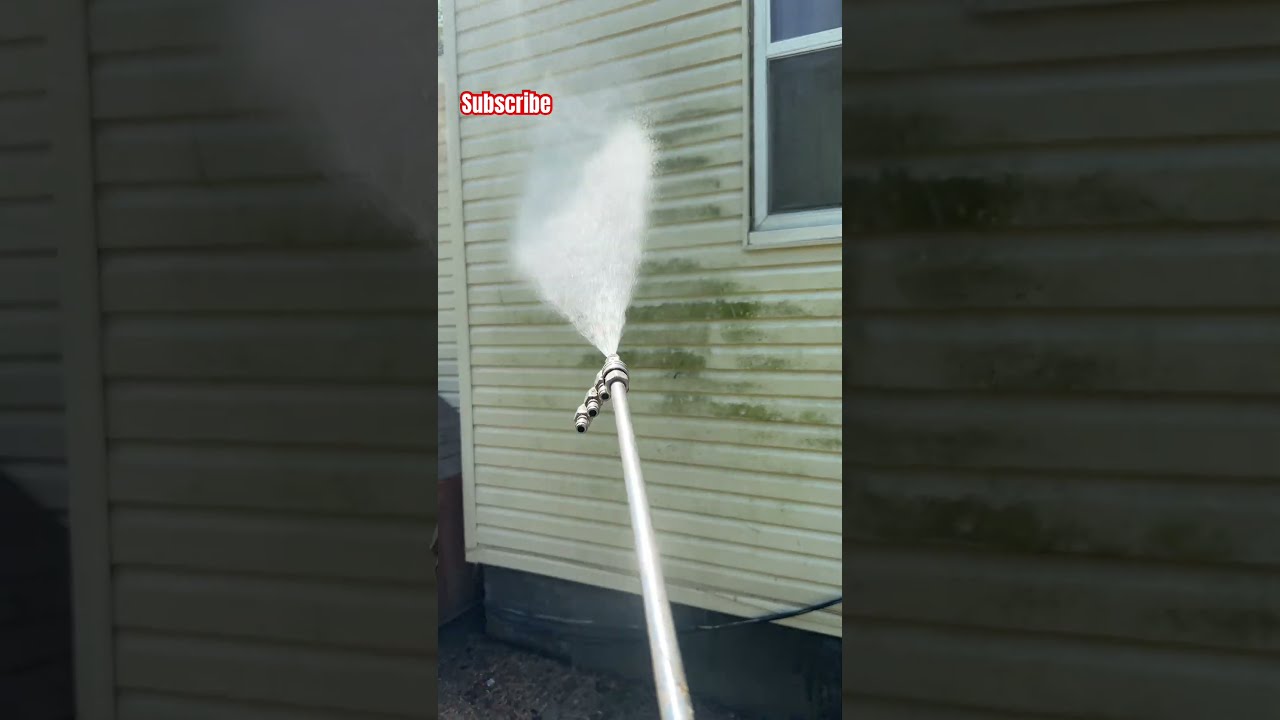
Pressure washing can gouge timber, raise its fibres and strip coatings. If it is appropriate for the fence, use the lowest effective pressure, a wide fan nozzle and a generous working distance. Test an inconspicuous area first and stop if the surface becomes furry or splinters. Allow timber to dry thoroughly before staining or sealing, following the coating manufacturer’s moisture and preparation requirements.
Painted and Coated Metal Fences
For Colorbond steel and other coated metal fencing, follow the manufacturer’s maintenance instructions. Mild detergent, a soft cloth or soft-bristled brush, and clean water are generally the safest starting points. Rinse thoroughly, including sheltered areas where dirt collects.
Avoid steel wool, abrasive pads, strong solvents and aggressive cleaners that may damage the protective finish. Do not direct forceful water into panel overlaps, fixings or damaged coating areas.
Vinyl and PVC Fences
Wash vinyl fencing with mild soapy water and a soft brush, then rinse gently. Avoid abrasive powders and solvent-based cleaners unless specifically approved by the manufacturer. Check older panels for brittleness or cracks before cleaning, as impact and concentrated water pressure can cause damage.

Brick and Rendered Fences
Use gentle washing first, particularly on painted render or ageing mortar. High pressure can erode joints, lift paint and force water into cracks. White mineral deposits, known as efflorescence, need a different treatment from dirt or algae; avoid applying acid cleaners without identifying the surface and checking compatibility.
Follow a Low-Damage Cleaning Routine
- Prepare the area: Move furniture, protect electrical fittings and remove loose debris with a soft brush. Keep children and pets away.
- Test your cleaner: Apply it to a small, hidden section and check for discolouration or coating damage.
- Clean small sections: Follow the product’s dilution and contact-time instructions. Do not let detergent dry on the fence.
- Rinse gently: Use clean water and avoid forcing water into joints, cracks or neighbouring property.
- Inspect after drying: Check for remaining growth, exposed timber, rust or loose components before deciding whether further treatment is necessary.
Manage Mould, Algae and Runoff Carefully
For persistent mould or algae, choose a product labelled as suitable for the fence material. Stronger is not necessarily better: concentrated chemicals can bleach timber, corrode metal and damage nearby plants. Wear the protective equipment specified on the label, and never mix bleach with acids, ammonia or other cleaning products.
Plan where wastewater will go before starting. Keep detergent, paint flakes and contaminated wash water out of gutters and stormwater drains. Use suitable containment or collection methods, and check Rockhampton Regional Council guidance if you are unsure about disposal. Pre-wetting nearby plants may reduce incidental exposure, but it does not make chemical runoff safe.
Choose the Right Conditions in Rockhampton
Clean during a cooler part of the day or when the fence is shaded so cleaning products do not dry too quickly. Avoid strong wind and postpone work when heavy rain could spread chemicals or overwhelm runoff controls. Check any current local water restrictions before using hoses or pressure-cleaning equipment.
Inspect fences after prolonged wet weather and clean when dirt or biological growth becomes noticeable. Trimming vegetation away from panels and keeping soil or mulch off timber helps improve airflow and reduces prolonged moisture exposure.
When to Call a Professional
Professional help is worthwhile for unstable fences, extensive biological growth, delicate finishes or jobs requiring wastewater recovery. Ask a Rockhampton fence-cleaning service how it identifies materials, protects coatings and manages runoff. A suitable cleaning method matters more than maximum pressure: the aim is a clean fence with its structure and protective finish intact.
Capricorn House Washing
0482 073 600